







Sorry for the inconvenience.
Search again what you are looking for
Call us: +34 667 605 204
Call us: +34 667 605 204
(1).jpg)
_20260703115606_20260703144415.png)
_20260603135549_20260703144415.png)
_20260703115614_20260703144415.png)

Proper food preservation is a decisive factor for food safety, product quality, and profitability in any professional kitchen. In this industrial refrigeration for hospitality category, you will find commercial cooling solutions designed to maintain a stable temperature even in the most demanding environments, ensuring compliance with health regulations and continuity of the cold chain.
We offer a wide range of professional refrigeration equipment manufactured in AISI 304 stainless steel, equipped with high-performance compressors, high-density injected polyurethane insulation, and eco-friendly refrigerant gases such as R290, which reduce energy consumption and environmental impact. From positive cooling equipment for daily preservation of fresh products, to freezing and negative cooling for long-term storage, including blast chillers essential for compliance with HACCP protocols.
Search again what you are looking for
The essential solution for daily storage of fresh products in professional kitchens. Industrial refrigeration cabinets operate in positive cooling (0ºC to +8ºC) and are equipped with ventilated refrigeration systems that ensure even cold distribution across all levels. Available in 1, 2 or more door configurations —solid or glass doors for display— they integrate high-precision digital thermostats, automatic defrost and GN 2/1 tray-compatible guides, optimizing organization, stock rotation, and operational efficiency in hospitality.
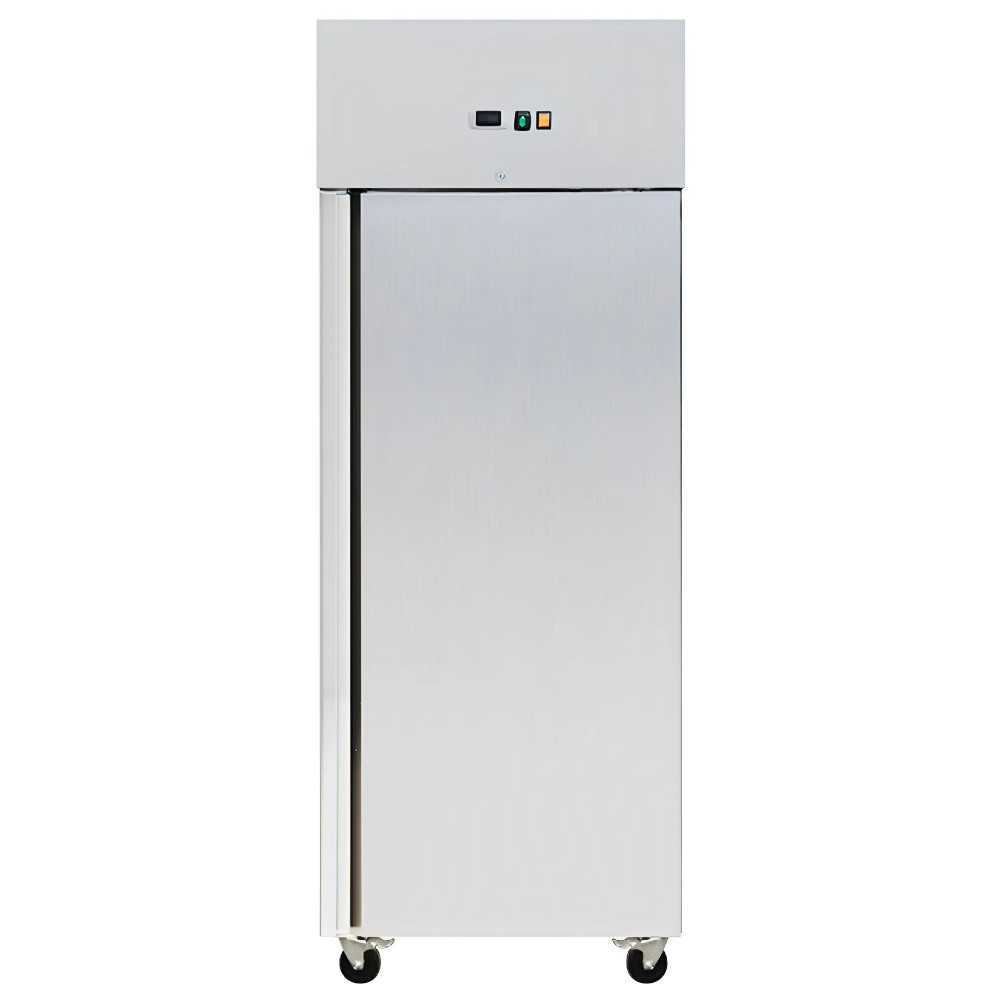
Positive cooling cabinets for fresh product preservation.
Maximum safety for long-term food storage. Professional freezing cabinets reach negative temperatures down to -22ºC and are equipped with tropicalized refrigeration units that guarantee fast thermal recovery even with frequent door openings. They include anti-ice perimeter heaters, removable magnetic gaskets for easy cleaning, and high-density insulation that reduces energy loss, ensuring thermal stability, electricity savings, and total product protection.
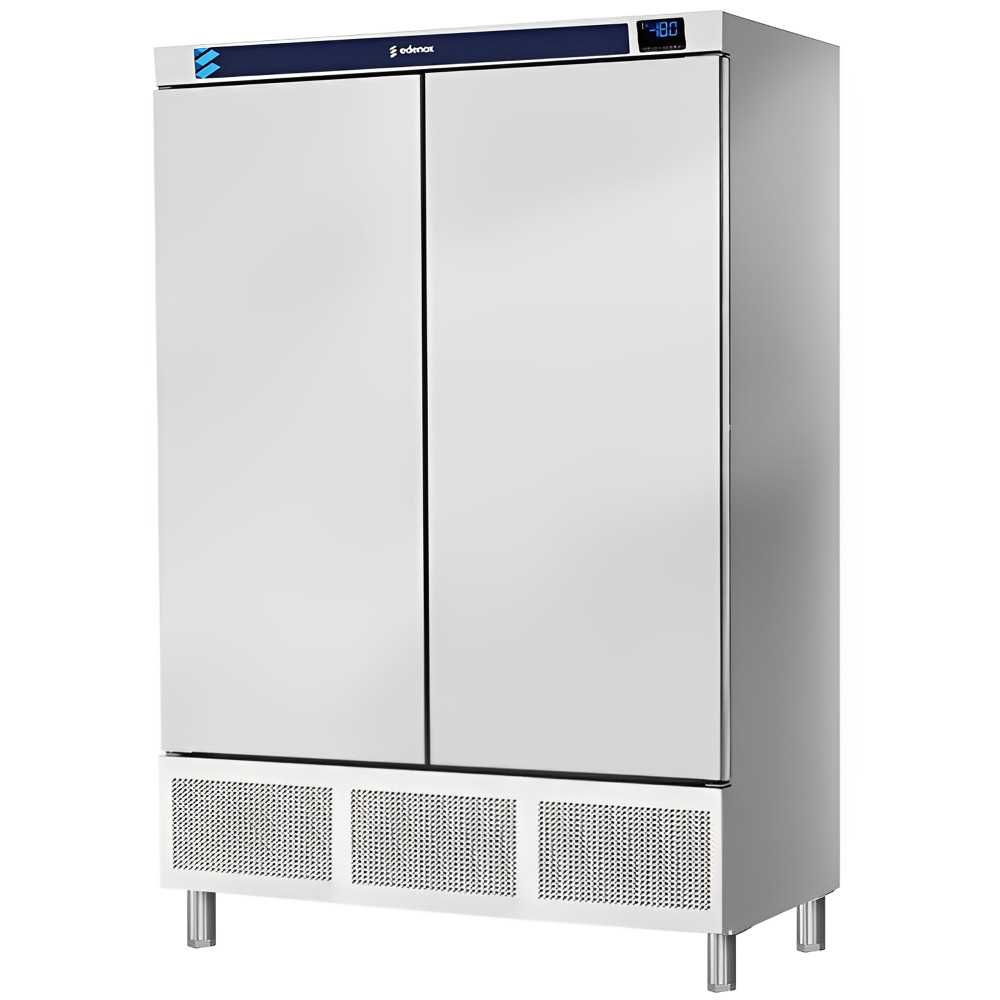
Extreme negative cooling for long-term storage.
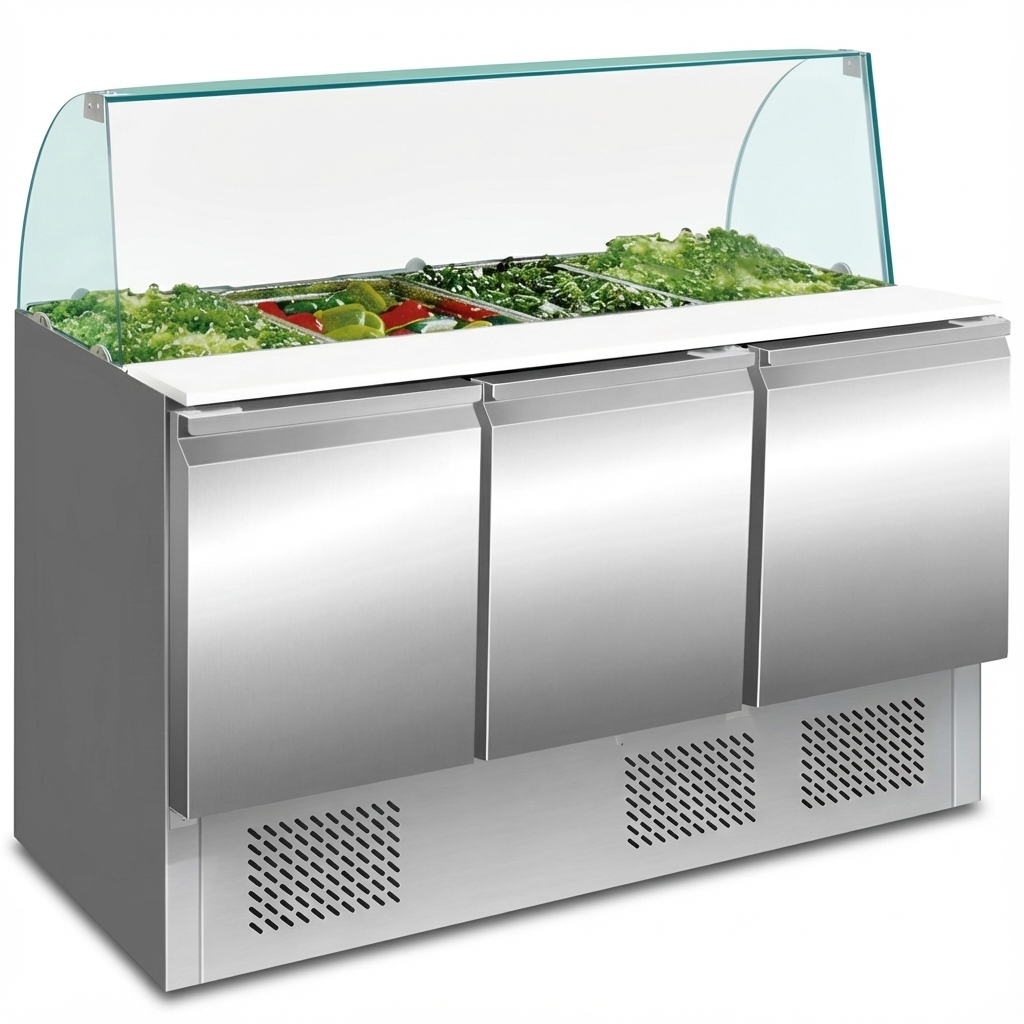
Functionality, ergonomics, and space-saving in a single unit. Refrigerated tables for hospitality combine a AISI 304 stainless steel worktop with a refrigerated base in door or drawer format. Essential for prep lines, pizzerias, high-performance kitchens and cold rooms, keeping perishable ingredients at controlled temperature, easily accessible, and ready for immediate service, improving productivity and workflow.
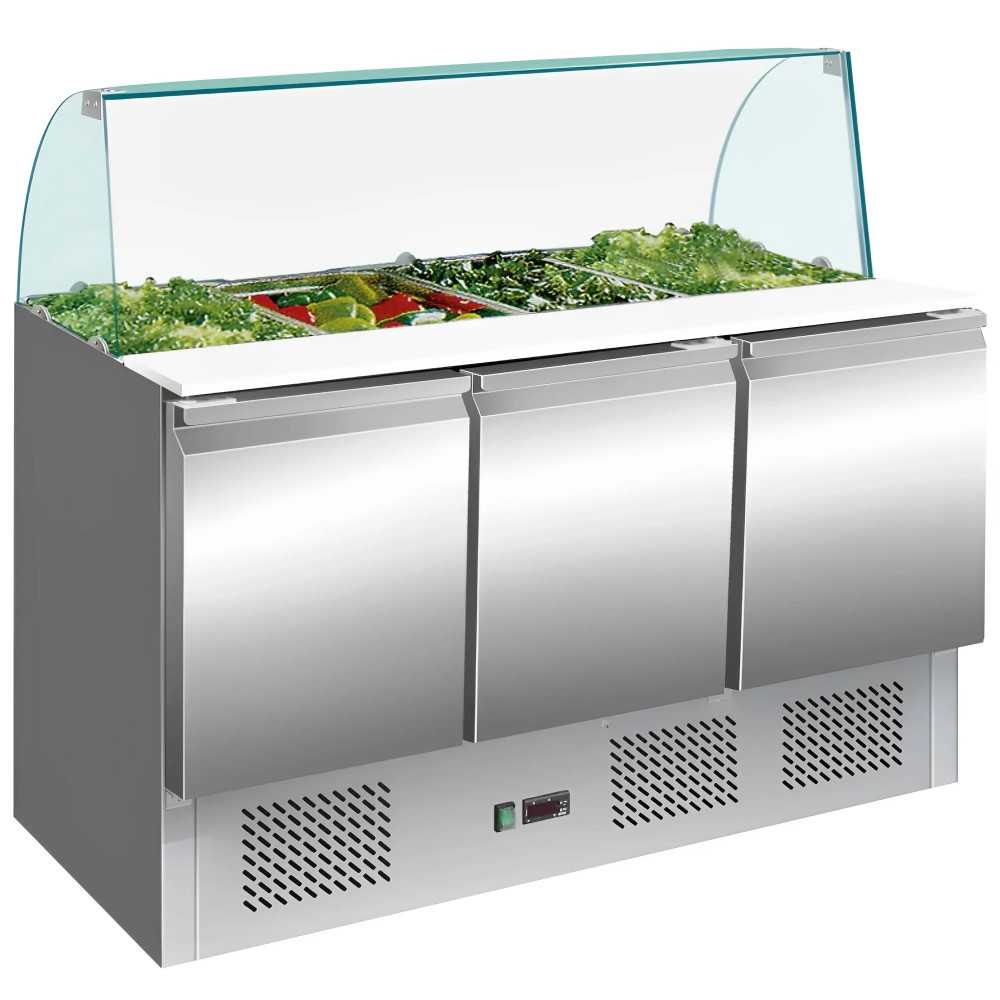
Work surface and integrated cold storage.
The most efficient option for large-volume freezing. Thanks to their top-opening, horizontal or chest freezers minimize cold loss on every opening, becoming the lowest energy consumption units in professional kitchens. Available with solid lids for storage rooms or curved glass sliding doors for display and direct sale of ice cream and frozen products in supermarkets and stores.
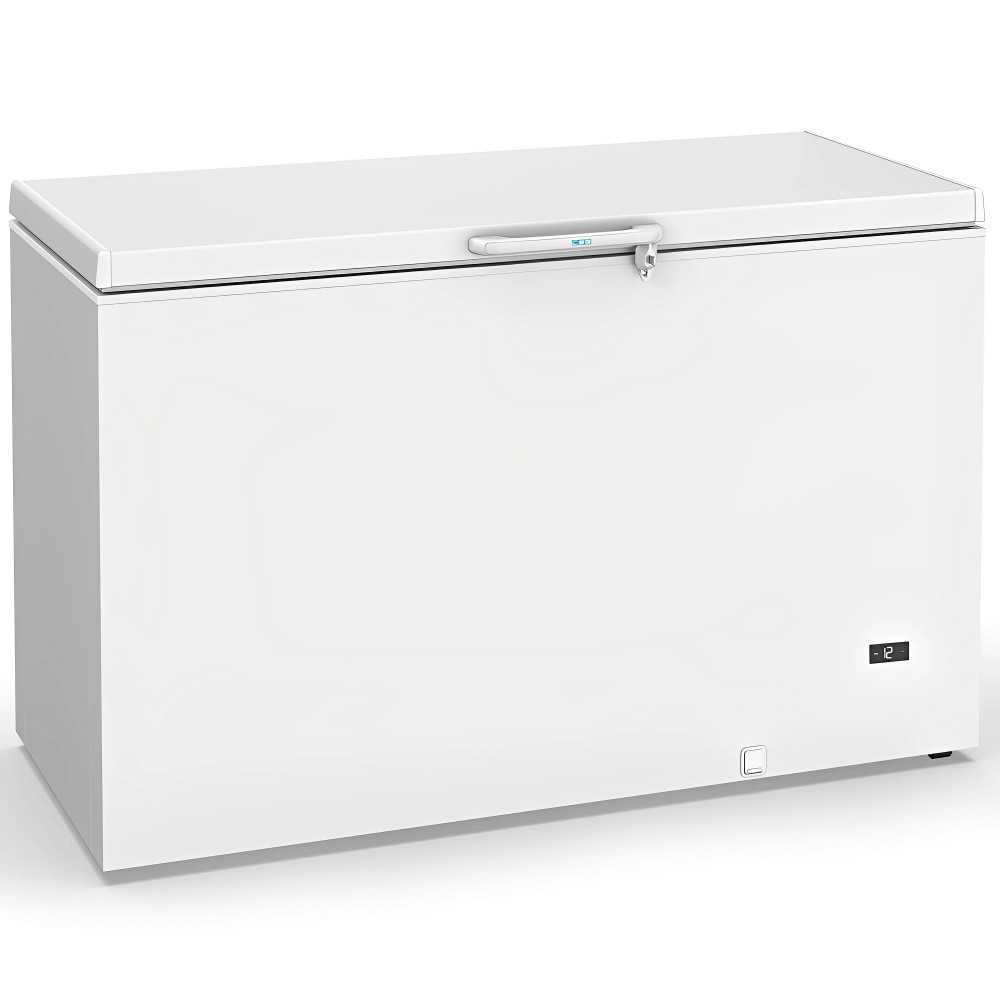
High-efficiency bulk frozen storage.
A key element to maximize sales at bars, cafes, and leisure venues. Professional bottle coolers, top-loading or front-loading, are designed for rapid beverage cooling in the range of +2ºC to +8ºC. Their interior with removable plastic-coated wire dividers allows efficient stock management, while static or ventilated refrigeration systems ensure drinks are always at optimal temperature even during peak hours.
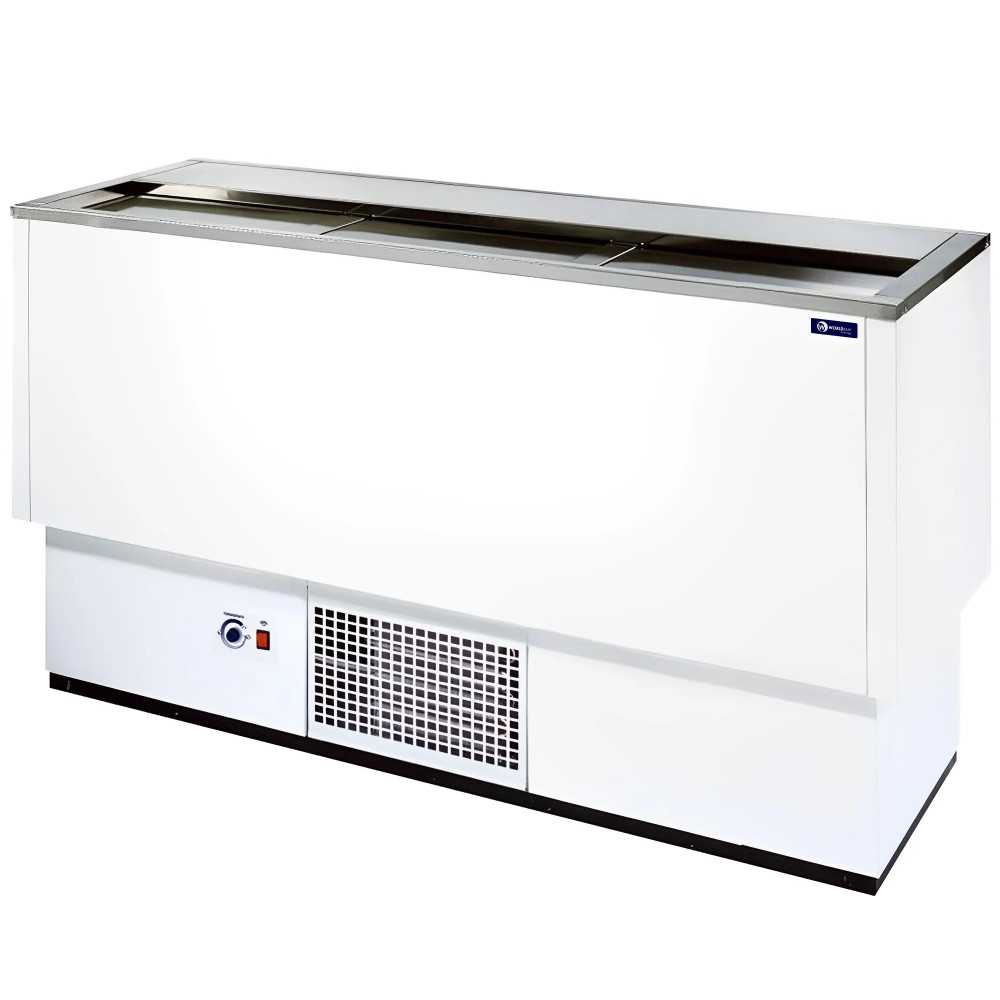
Rapid under-counter beverage cooling.
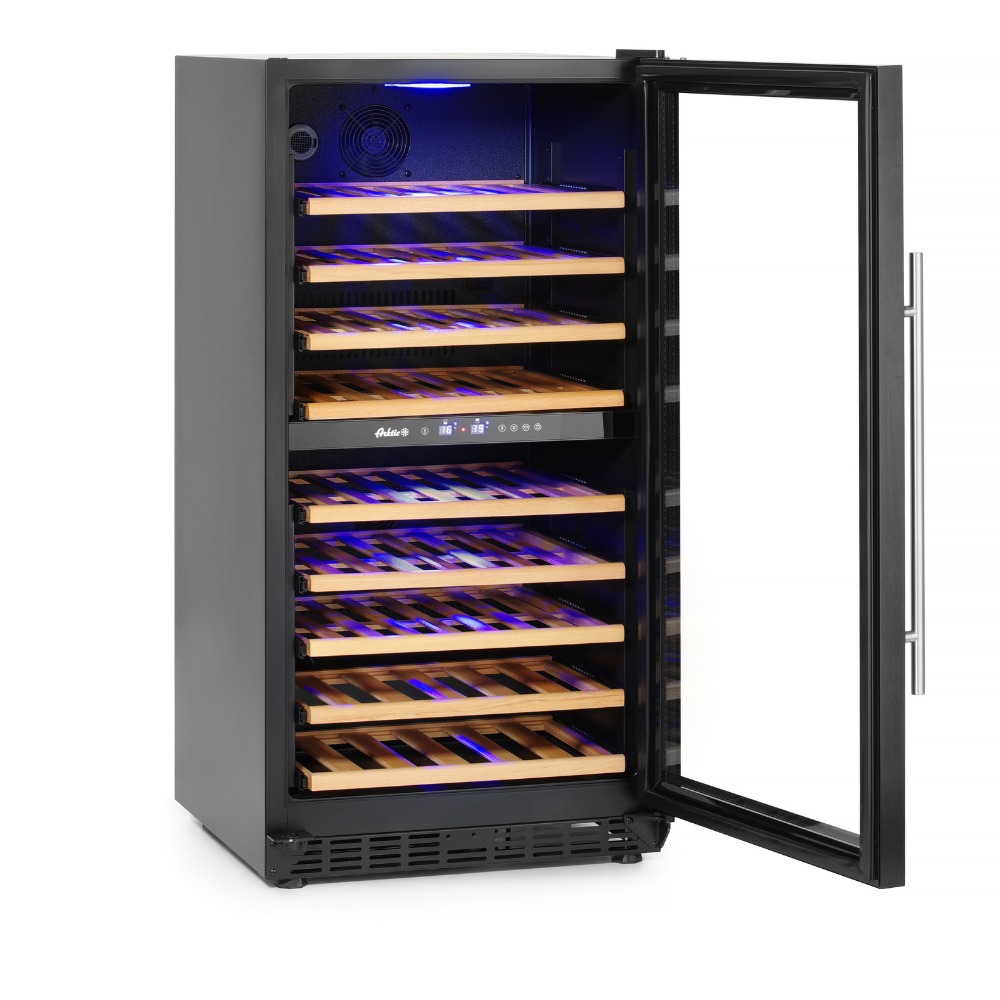
Perfect storage for premium wines. Professional wine cabinets and climate-controlled cellars ensure precise temperature and humidity control, eliminate harmful compressor vibrations, and protect the contents with UV-filtered glass. Available in single-temperature versions for storage and aging or multi-zone for keeping reds, whites, and sparkling wines simultaneously at their ideal serving temperature.
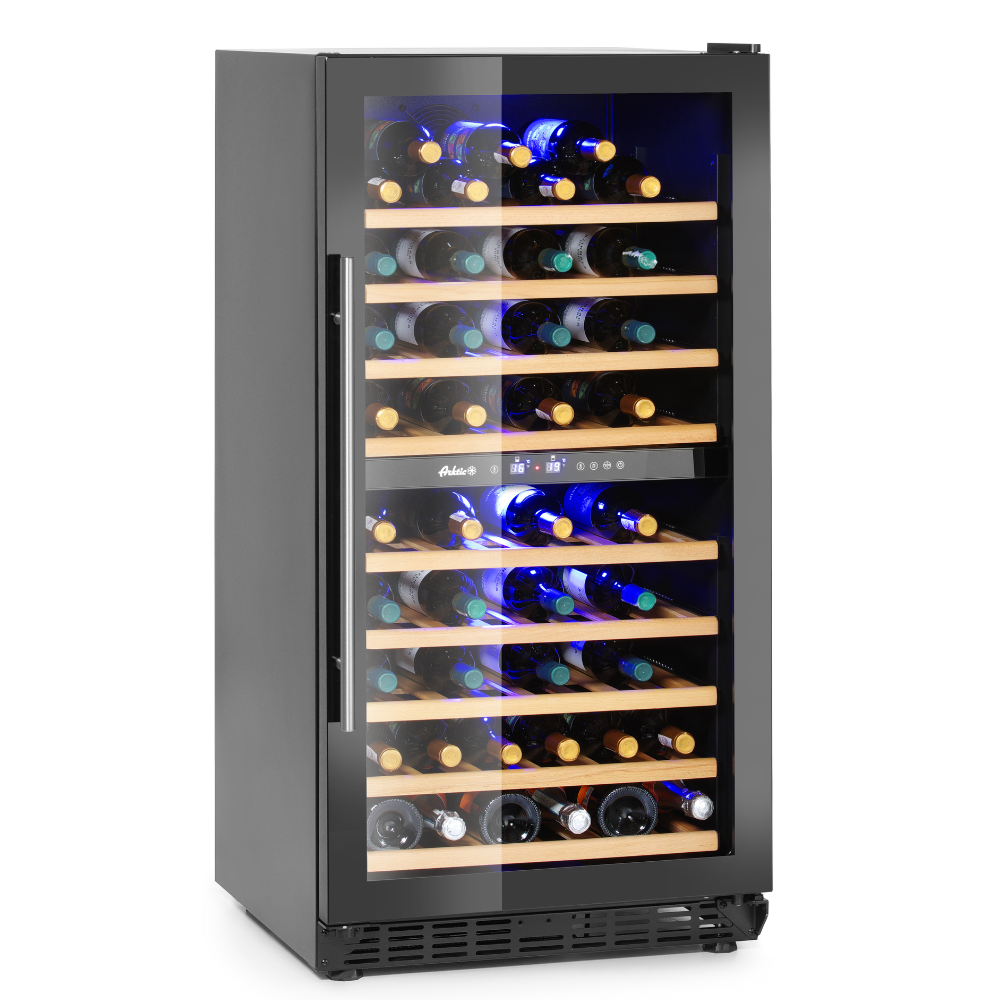
Climate-controlled cabinets with humidity and temperature regulation.
An essential tool for modern professional kitchens. Industrial blast chillers are designed to rapidly pass the bacterial danger zone. They reduce freshly cooked food from +90ºC to +3ºC in less than 90 minutes (positive chilling) or reach -18ºC at the product core in 240 minutes (ultra-freezing). This process is key for HACCP compliance, extending shelf life by up to 70% while preserving texture, flavor, and nutritional properties.

Drastic cooling and HACCP food safety.
At MBH we are experts in commercial refrigeration installations. We work with leading manufacturers guaranteeing mechanical reliability, accessible spare parts, and the best energy ratings. We provide advice on motor sizing, storage volume calculations, and current health regulations, offering secure shipping throughout the peninsula.
Industrial refrigeration includes all high-performance equipment designed to extract heat from food and the environment to maintain controlled temperatures. Unlike domestic appliances, commercial refrigeration is built with oversized motors (compressors and evaporators), prepared to operate in very hot environments (kitchens up to +40ºC) and instantly recover lost degrees after continuous door openings typical of hospitality service.
Investing in a good refrigeration system is not a luxury; it guarantees profitability. It ensures food safety by preventing cold chain breaks; provides significant energy savings (Class A) with 60-80mm insulation and eco-friendly gases (R290/R600a); offers extreme durability with AISI 304 stainless steel, resistant to corrosion and daily impact; and ensures sanitary compliance with precise digital thermostats and easy-to-clean designs.
Industrial refrigeration uses much more powerful compressors designed to quickly recover temperature after frequent door openings. They are made of stainless steel, withstand up to 40ºC (tropical climate class), and use high-precision digital temperature controls, while domestic units fail under this thermal stress.
Ventilated cooling (or forced air) in industrial refrigeration means the equipment has internal fans that constantly move cold air. This ensures uniform temperature top to bottom, prevents frost buildup on walls, and cools products much faster than static refrigeration.
R290 (purified propane) is the current standard in high-end industrial refrigeration. It is an eco-friendly refrigerant that does not harm the ozone layer and is thermodynamically very efficient, reducing electricity consumption by up to 25% compared to older fluorinated gases (HFCs).
It is the star machine for food safety in industrial refrigeration. A blast chiller lowers the heat of freshly cooked food (90ºC) to safe refrigeration temperatures (3ºC) in less than 90 minutes, preventing the food from staying in the “bacterial danger zone” (65ºC–10ºC), complying with HACCP regulations.
In industrial refrigeration, ice forms on the evaporator if the door is left open too long, very hot food is introduced generating steam, or magnetic gaskets are worn. Ensure the door seals properly and follow the machine’s automatic defrost cycles.
By general sanitary standard, positive cooling industrial cabinets should operate between +2ºC and +8ºC for vegetables, dairy, meat, and prepared dishes. For fresh fish, specific units that can operate closer to 0ºC or -1ºC are recommended.
This certification is vital in industrial refrigeration. A “tropicalized” unit (Climate Class 5) means the refrigeration motor is sized to maintain correct internal temperature even if ambient temperatures reach +40ºC–+43ºC with 40% humidity, common in August kitchens.
It depends on where the motor is. Most industrial refrigerated tables need airflow. If the refrigeration unit (motor) is on the side or rear, leave a few centimeters for ventilation. Fully embedding a unit without airflow will overheat the compressor.
In hospitality industrial refrigeration, stainless steel (especially AISI 304) is mandatory for hygiene and durability. It is non-porous, preventing bacteria adhesion, resists moisture, and does not degrade under daily cleaning with strong chemicals or food-safe disinfectants.
The most critical and often overlooked step is monthly cleaning of the condenser (a radiator-like grille housing the motor). If clogged with dust and grease, the refrigerant cannot dissipate heat, causing higher electricity consumption, poor cooling, and eventual compressor failure.